Analysis shows that the UK’s net zero transition is economically viable, with falling renewable energy costs, improved efficiency and reduced exposure to fossil fuel price shocks strengthening the case for a fully electrified energy system.
Sustainability update March 2026
2 April 2026
Article last updated 2 April 2026.
New Climate Change Committee analysis indicates that the benefits of the UK’s net zero transition “consistently outweigh the costs”.
Having published its Seventh Carbon Budget advice report in 2025, supplementary analysis by the UK Climate Change Committee (CCC) reinforced the case that the country’s 2050 net zero target was still achievable and that the associated costs were lower than the economic damage caused by periodic fossil fuel shocks. The updated report’s cost-benefit analysis incorporated a variety of co-impact assessments recommended by HM Treasury to support the investment case for policies and programmes, concluding that the UK’s Balanced Pathway strategy to decarbonise key sectors of the economy would deliver considerable value for money, with benefits outweighing costs by between 2 and 4 times.
Analysis also indicated that a fully electrified energy system would be more efficient and secure than the UK’s current system, with efficiency gains cutting energy waste by around £30 billion annually. Household energy price modelling against a 2022-level spike in fuel costs indicated that energy bill increases could reach 59 per cent in a fossil fuel scenario compared to 4 per cent under the Balanced Pathway – the total additional cost of a single 2022-level fossil fuel shock could be as large as the total net annual cost of delivering the Balanced Pathway by 2050.
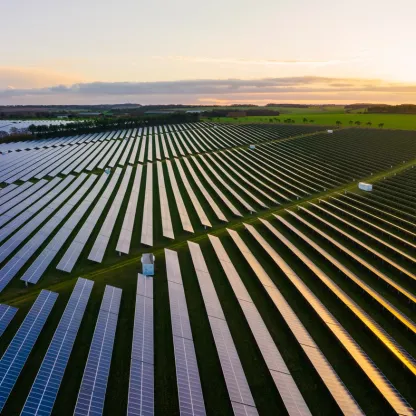
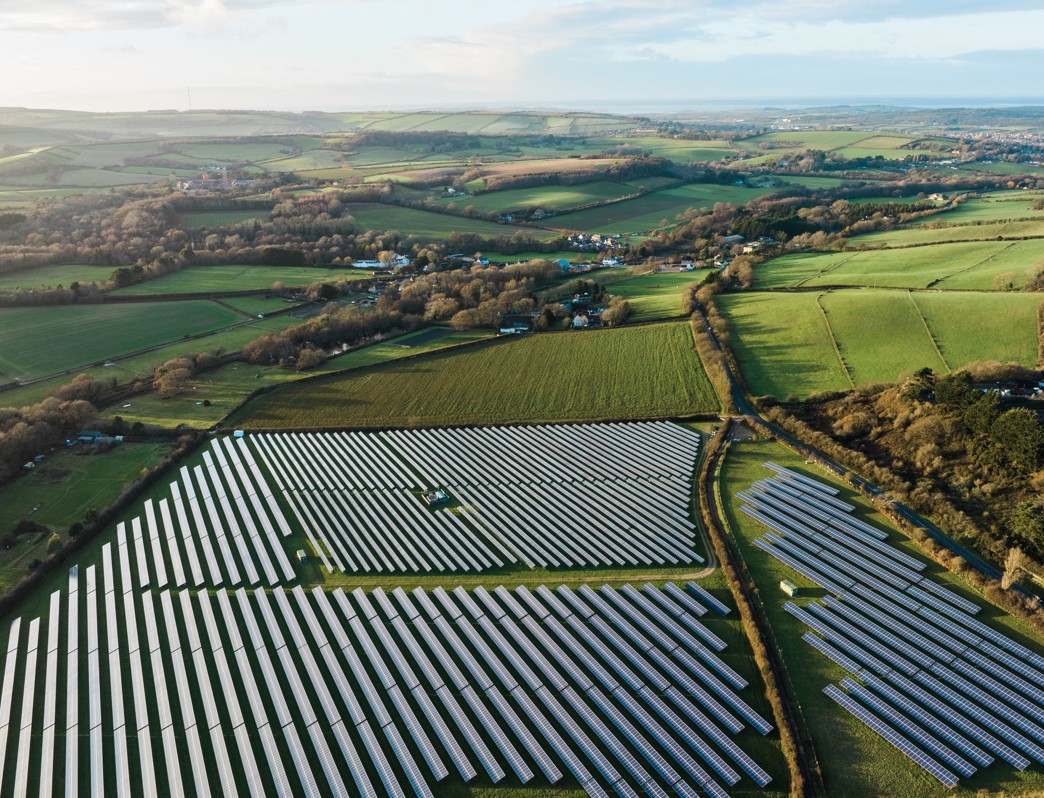
The CCC’s report’s central message was that decarbonisation was both affordable and economically advantageous – something that is echoed at a global scale. Per kW of capacity, the cost of solar energy has fallen by over 99 per cent between 1975 and today, with much of that fall coming in the past decade. This has led to increasingly rapid rollout of solar energy installations. China leads the way, with 315GW of new solar capacity added in 2025 and 11per cent of its electricity coming from this source over the year. The EU took second place in new solar additions during 2025 and, despite the anti-renewable’s stance of the Trump administration, the US was third in the world for solar expansion.
However, it stressed that all sectors had to contribute and that clear policy signals were needed to increase streams of private investment. It also highlighted the significant impact of households on emissions, emphasising that behavioural changes around EV uptake, energy-efficient home heating, and healthier diets all contributed to net zero goals.
The need for decarbonisation efforts not to be delayed was emphasised further by a scientific study by The Nature Conservancy which found that extreme heat was increasingly making everyday life physically unsafe in many parts of the world. The study combined over 70 years of global climate data with physiological modelling showing how the body responded to heat extremes at different stages of life. Results indicated that around 35 per cent of people now lived in areas where heat severely limited safe activity during the hottest parts of the year. Though the dangers of exposure to extreme heat are often associated with poorer regions, wealthier countries are by no means immune. People in high-income areas like the Gulf states struggle to cope with heat extremes because the cooling mechanisms available to help reduce their severity aren’t distributed evenly, especially among migrant workers. The risks to physical activity and productivity are clear – in some tropical and subtropical regions, extreme heat can limit outdoor activity for anywhere between a quarter and a third of the year.
UK food industry coalition calls on government to improve food security and resilience
We joined a coalition of more than 100 major UK food retailers, food businesses, investors, health organisations, academics, and food and farming charities calling on the government to pass new legislative proposals aimed at increasing the domestic food industry’s resilience to environmental, economic and geopolitical shocks. Support for the Food Foundation’s proposed ‘Good Food Bill’ follows a comprehensive government assessment of global biodiversity loss, ecosystem collapse and national security. Among its key judgements, the assessment noted that critical ecosystems supporting global food production and climate regulation were the most important for UK national security and that without significant enhancements to food system and supply chain resilience, the country would struggle to maintain its food security should collapsing ecosystems trigger increased global food competition.
Framing its case in the context of the price shocks and supply vulnerabilities experienced through the Covid pandemic, extended global conflicts, and worsening weather extremes, the Food Foundation argued that failure to deliver transformative legislation would increase the UK’s reliance on imports, magnify its exposure to periodic shocks, and exacerbate public health concerns. It further argued that legislation would transform the ambition and intent of the National Food Strategy into a “credible, bankable commitment” for food industry participants to align operational changes with new regulations. A clear policy environment would also help to increase the flow of private investment to the food sector.
A Good Food Bill would provide a long-term regulatory framework for successive governments to inherit and progress clear obligations to secure a resilient domestic supply of nutritious, environmentally sustainable food, and to make that food the default and most accessible choice for consumers. Additionally, it would align food policy with national net zero and nature and biodiversity protection targets and include incentives for sustainable farming.
We support the proposals outlined in the Good Food Bill as part of our broader policy engagement through the Investor Coalition on Food Policy, and we were one of the signatories calling for its introduction. This reflects our view that investors can play a central role in shaping the long-term governance frameworks needed to strengthen food policy, manage systemic risks, and support more resilient outcomes.
2026 Antimicrobial Resistance (AMR) Benchmark warns of a lack of antibiotic innovation and access gaps to existing drugs
The World Health Organization first declared AMR to be a global health threat in 2014. Since 2018, the AMR Benchmark has tracked how pharmaceutical companies active in antimicrobial research have responded to the urgent need to combat drug resistance and expand access to their medicines. This can extend the level of protection from evolving diseases and ensure that the availability of effective antibiotics continues to support innovations in therapeutic research areas like surgery and oncology. More than a million people die as a direct result of drug-resistant infections annually – projections by the Global Research on Antimicrobial Resistance Project (GRAM) estimate that resistance to antibiotics could lead to over 39 million more associated deaths by 2050 without increased investment and policy intervention.
Published by the Access to Medicine Foundation, the AMR Benchmark’s 2026 report assessed the progress of seven large research-based pharmaceutical companies, ten generic drug manufacturers, and eight small- and medium-sized enterprises. Overall, the report concluded that the development of new medicines was failing to keep pace with the scale of global drug resistance. Highlighting some pockets of industry progress, it identified several late-stage drug development projects at GSK, Otsuka, Shionogi, BioVersys, F2G, Innoviva and Venatorx which were approaching regulatory approval – encouragingly, these projects target some of the world’s deadliest drug-resistant pathogens. However, insufficient industry-wide action and reduced access to existing antibiotics among vulnerable populations and children under five were threatening millions of lives.
Progress was noted in the context of responsible manufacturing with the number of companies reporting on compliance with antibiotic waste limits doubling since the 2021 Benchmark report. This may be indicative of a growing recognition among drug manufacturers of their role in contributing to AMR. The 2026 report also assessed methods used by generic drug manufacturers to track and monitor patient reach for the first time – results showed that six of the ten companies selected for assessment were employing tracking and monitoring systems across most of their antibiotic products.